
Exploring innovative new energies solutions for a greener future
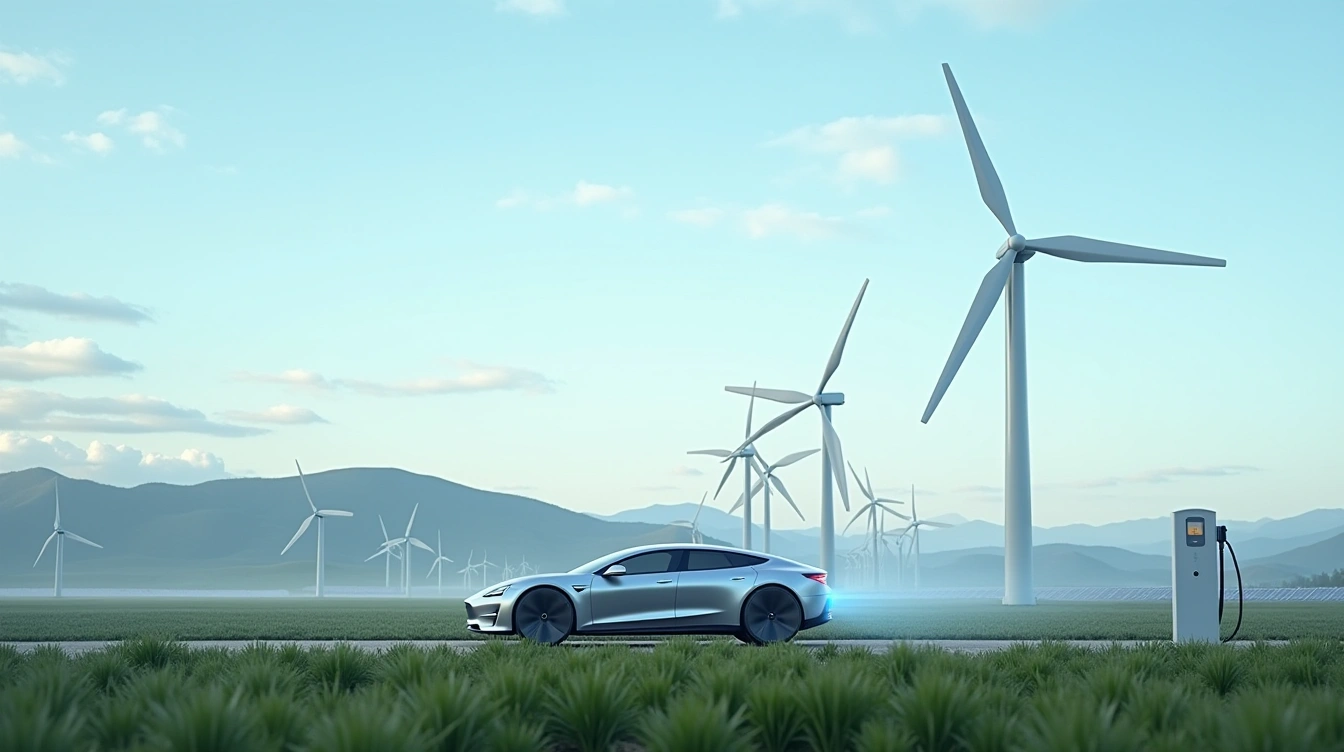
As the world accelerates its energy transition, businesses and industries face an unprecedented challenge: producing, storing, and using energy sustainably while remaining competitive. Emerging technologies are opening new horizons, transforming not only how electricity is generated but also how it is stored, distributed, and integrated into industrial infrastructure. In this context, understanding and adopting innovative solutions has become a strategic imperative for anticipating future energy needs and actively contributing to a carbon-neutral future.
The Rise of Innovative Renewable Energy Solutions in 2025
The global energy transition is accelerating unprecedented innovation across renewable technologies, delivering reduced carbon emissions and enhanced energy security. According to the International Energy Agency, renewable capacity additions reached a record 346 GW in 2024, marking a 15% increase from the previous year. Advanced solutions in hydrogen storage, offshore wind, and carbon capture are reshaping industrial operations worldwide.
Sujet a lire : What Compensation Strategies Are Effective for UK Start-Ups to Attract Top Talent?
How will your organization position itself in this rapidly evolving energy landscape? Companies seeking comprehensive transition strategies can learn more about the new energies with vallourec.
Hydrogen Storage: The Game-Changer for Clean Energy Infrastructure
The transition to clean energy hinges on one critical challenge: how to store renewable energy efficiently when the sun doesn't shine and the wind doesn't blow. Hydrogen storage emerges as the most promising solution, offering the ability to convert excess renewable electricity into hydrogen through electrolysis and store it for later use.
Avez-vous vu cela : How to access horizon europe funding for research innovation
High-pressure storage technologies represent the backbone of this hydrogen revolution. These systems must withstand extreme conditions, with storage pressures reaching 700 bar for automotive applications and even higher for industrial uses. The technical demands are immense: materials must resist hydrogen embrittlement, maintain structural integrity over decades, and ensure complete safety in demanding environments.
Vallourec's expertise in high-pressure tubular solutions positions the company at the forefront of this transformation. The company's advanced metallurgical knowledge and precision manufacturing capabilities enable the development of storage systems that meet the stringent requirements of the hydrogen economy. From seamless steel tubes to specialized alloys, these solutions form the critical infrastructure that makes large-scale hydrogen deployment possible.
As governments worldwide accelerate their clean energy commitments, hydrogen storage infrastructure becomes the missing link between renewable energy generation and reliable, on-demand power supply.
Offshore Wind Power: Overcoming Engineering Challenges
L'éolien offshore représente l'un des défis d'ingénierie les plus complexes du secteur énergétique. Les conditions marines extrêmes exigent des solutions techniques innovantes pour garantir la durabilité structurelle et la performance énergétique des installations.
Les ingénieurs doivent composer avec des vents de plus de 200 km/h, des vagues de 30 mètres et une corrosion marine accélérée. Ces contraintes imposent des matériaux ultra-résistants et des conceptions structurelles repensées pour maintenir l'intégrité des turbines sur plusieurs décennies.
Les innovations technologiques récentes transforment cette industrie :
- Fondations flottantes permettant l'installation en eaux profondes de plus de 60 mètres
- Systèmes de protection cathodique avancée contre la corrosion marine
- Turbines de 15 MW avec pales de 120 mètres optimisées pour les vents offshore
- Câbles sous-marins haute tension résistants aux mouvements tectoniques
- Maintenance préventive par drones et intelligence artificielle
Ces avancées permettent aujourd'hui d'envisager des parcs éoliens offshore de nouvelle génération, capables de produire une énergie compétitive même dans les environnements les plus hostiles.
Carbon Capture Technologies: Bridging the Gap to Net Zero
Carbon capture, utilization, and storage (CCUS) technologies have emerged as critical components in industrial decarbonization strategies. These systems capture CO2 emissions directly from industrial processes or the atmosphere, preventing their release into the environment. Current deployment spans across power generation, cement production, and steel manufacturing, where direct emissions reduction remains challenging through conventional methods.
Industrial-scale projects demonstrate varying efficiency rates depending on the capture method employed. Post-combustion capture systems achieve 85-95% CO2 removal efficiency in power plants, while direct air capture facilities operate at lower volumes but target atmospheric CO2 concentrations. The technology requires robust infrastructure, including high-pressure transport systems and secure geological storage sites, demanding specialized materials that can withstand corrosive environments and extreme pressures.
Integration with existing energy infrastructure presents both opportunities and challenges. CCUS facilities require significant energy input for operation, typically consuming 15-25% of a plant's total output. However, captured carbon increasingly serves as feedstock for synthetic fuels and chemical production, creating new revenue streams. This circular approach transforms waste emissions into valuable resources, supporting broader industrial transformation toward net-zero objectives while maintaining economic viability for heavy industry sectors.
How Companies Navigate the Sustainable Energy Transition
Successful energy transition strategies require more than good intentions. Companies that excel in this transformation typically adopt a phased approach, starting with pilot projects before scaling mature technologies across their operations. This methodical strategy allows organizations to test solutions, measure outcomes, and build internal expertise while minimizing operational risks.
The most effective transitions leverage cross-sector expertise to identify unexpected synergies. Manufacturing companies, for instance, often discover that their high-pressure systems knowledge translates perfectly to hydrogen storage applications. Similarly, offshore oil and gas expertise becomes invaluable when developing wind energy infrastructure in challenging marine environments.
Strategic partnerships emerge as a critical success factor. Companies rarely possess all necessary capabilities in-house, making collaboration with specialized technology providers essential. These partnerships often extend beyond simple vendor relationships to include joint development programs, shared risk models, and co-innovation initiatives that accelerate deployment timelines.
Financial planning represents another cornerstone of successful transitions. Leading companies structure their investments to balance immediate operational needs with long-term sustainability goals, often utilizing green financing mechanisms and government incentives to optimize their transition economics while maintaining competitive positioning.
Future Outlook: What's Next for Green Energy Innovation
L'horizon 2030 s'annonce déterminant pour l'innovation énergétique, avec des investissements mondiaux qui devraient atteindre 4,5 trillions de dollars d'ici cette échéance selon l'Agence internationale de l'énergie. Les six secteurs énergétiques majeurs connaissent actuellement une révolution technologique sans précédent, portée par l'urgence climatique et les nouvelles ambitions de neutralité carbone.
L'hydrogène vert emerge comme le catalyseur principal de cette transformation. Les technologies d'électrolyse haute performance progressent rapidement, tandis que les solutions de stockage haute pression révolutionnent l'infrastructure énergétique. Les systèmes tubulaires spécialisés deviennent essentiels pour gérer ces nouveaux défis techniques dans des environnements toujours plus exigeants.
Le secteur éolien offshore pousse les limites vers des installations flottantes en haute mer, exploitant des vents plus puissants et constants. Parallèlement, le photovoltaïque intègre désormais des matériaux pérovskites innovants qui promettent des rendements supérieurs à 30%. Ces avancées transforment fondamentalement l'approche industrielle de la production énergétique durable.
Your Questions About New Energy Solutions
The energy transition raises countless questions for industry professionals. From emerging technologies to implementation challenges, understanding the landscape is crucial for making informed decisions about your sustainable energy strategy.
What are the most promising renewable energy technologies for the future?
Floating solar, green hydrogen production, and next-generation battery storage show exceptional potential. These technologies offer scalable solutions for industrial applications and long-term energy security.
How can companies transition to sustainable energy solutions effectively?
Start with energy audits, implement phased renewable integration, and invest in flexible infrastructure. Partner with specialized providers to ensure seamless transitions and optimal performance.
What role does hydrogen play in the green energy transition?
Hydrogen serves as a critical energy carrier for heavy industry, long-term storage, and transportation. High-pressure storage systems enable efficient distribution and industrial-scale applications.
How effective is carbon capture and storage technology?
Current CCS technologies capture 85-95% of emissions from industrial sources. While promising, successful deployment requires specialized tubular solutions for safe, long-term underground storage.
What are the main challenges in implementing offshore wind energy?
Harsh marine environments demand corrosion-resistant materials and robust foundation systems. Advanced tubular solutions ensure structural integrity and extended operational lifespans in demanding offshore conditions.